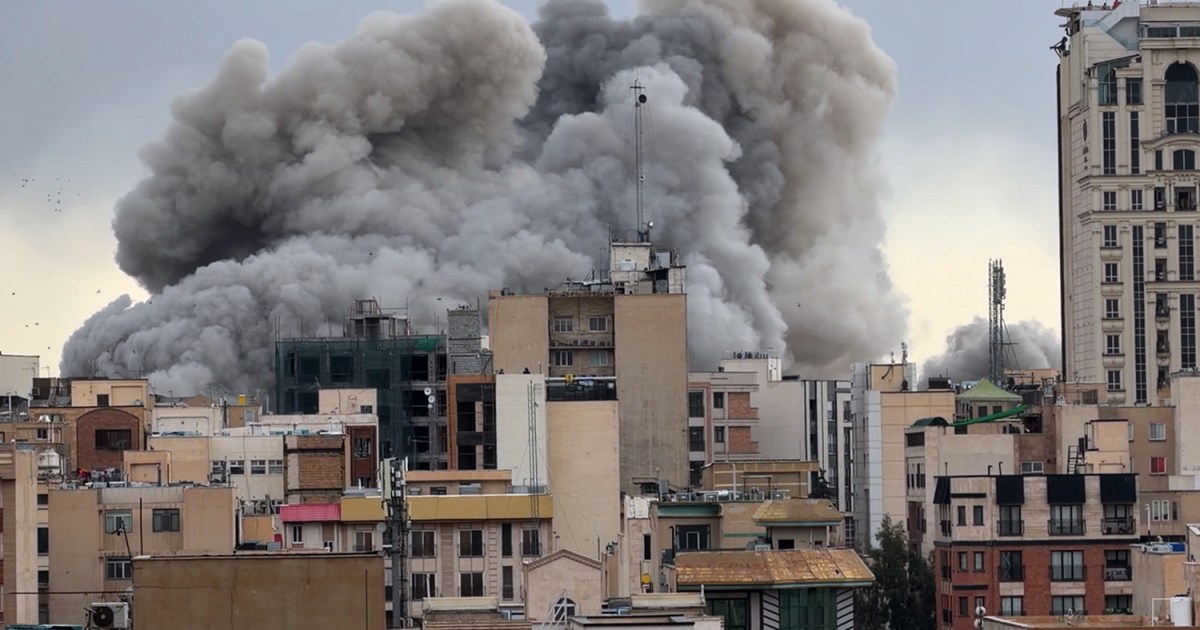
Middle East War: US Embassies Struck by Drones Amid Israel-Iran Conflict
The Middle East simmers under an ominous cloud of escalating conflict, with tensions between Israel and Iran reaching a perilous new height. Recent days have seen a concerning intensification of hostilities, moving beyond proxy warfare to a more direct confrontation that now squarely places American diplomatic missions and personnel in the line of fire. The critical question on everyone's mind is whether this marks the dawn of a "guerre Iran direct" – a direct war with Iran – a scenario that the international community has long sought to avoid. Reports emerging from across the region confirm multiple new strikes, including unprecedented drone attacks on US embassies, underscoring the severe and immediate risks facing the region.
Escalation to Direct Confrontation: US Assets Under Fire
The landscape of the Middle East conflict has fundamentally shifted. What began as an intricate dance of regional proxies has rapidly evolved into a more brazen and direct challenge, with US interests increasingly becoming direct targets. Tuesday, March 2, marked a particularly alarming day, characterized by a flurry of attacks across several fronts that point towards a broader, more integrated strategy of escalation. One of the most striking developments was the reported drone attack on the US Embassy in Riyadh, the capital of Saudi Arabia. While details regarding the extent of the damage or casualties remain tightly guarded, the mere fact of such an assault on a diplomatic outpost in a key US ally nation sends a chilling message about the widening scope of the conflict.
Concurrently, Israel launched fresh bombardments on Lebanon, signaling an active and continuing engagement along its northern border, further illustrating the multi-front nature of the ongoing hostilities. These Israeli actions are often perceived as preemptive strikes or retaliatory measures against Iran-backed groups operating in Lebanon, such as Hezbollah. The interconnectedness of these events paints a grim picture: a region teetering on the brink, where every strike, every drone, and every diplomatic warning contributes to an ever-more volatile environment that analysts are increasingly calling a "guerre Iran direct" in all but name.
Washington's Urgent Warning: Americans Urged to Evacuate
In response to the rapidly deteriorating security situation, the US State Department issued an urgent and unequivocal directive on Monday, March 2, urging American citizens in over a dozen Middle Eastern countries to "depart now via commercial channels due to serious security risks." This stark warning underscores the gravity of the intelligence assessments being made by Washington regarding the safety of its citizens abroad. Assistant Secretary of State for Consular Affairs Mora Namdar relayed this critical message via X, emphasizing the immediate need for action.
The advisory targeted Americans in a broad swathe of the region, including:
- Bahrain
- Egypt
- Iran
- Iraq
- Jordan
- Kuwait
- Lebanon
- Oman
- Qatar
- Saudi Arabia
- Syria
- United Arab Emirates
- Yemen
- Israel
This extensive list highlights the pervasive nature of the threat, indicating that no single country in the immediate conflict zone is deemed entirely safe for US citizens. The State Department's call for immediate departure via commercial means reflects a judgment that traditional security measures may no longer suffice and that swift, self-arranged evacuation is the safest course of action. This urgent plea for withdrawal comes as a direct consequence of the escalating regional attacks and the increasing direct targeting of US interests.
Practical Advice for Americans in the Region:
For those currently in or considering travel to the affected areas, the State Department's advice is clear and should be taken with utmost seriousness. Here are some actionable steps and considerations:
- Depart Immediately: Prioritize securing commercial flights out of the region. Do not delay, as flight availability could diminish rapidly.
- Stay Informed: Regularly check the US Embassy websites in your respective countries for the latest security alerts and advisories. Enroll in the Smart Traveler Enrollment Program (STEP) to receive alerts and locate you in an emergency.
- Have a Plan B: If commercial flights become unavailable, understand the alternative routes and means of exit, though these may be riskier.
- Secure Documents: Keep passports, visas, and other essential travel documents readily accessible. Have digital copies stored securely.
- Limit Movement: Minimize unnecessary travel within the country. Avoid large gatherings, demonstrations, and areas known for potential unrest.
- Maintain Communication: Inform family and friends of your whereabouts and plans. Ensure your communication devices are charged and functional.
For more detailed information and ongoing updates, refer to the official advisories: US State Dept Urges Evacuation for Americans in Escalating Middle East Conflict.
Embassies on High Alert: Jordan and Kuwait Incidents Unpacked
The general advisory from the State Department was not issued in a vacuum; it was predicated on concrete intelligence and specific incidents that brought the threat into sharp focus. Two particular events highlight the immediate danger faced by US diplomatic personnel and facilities: the situation in Jordan and the confirmed drone strike in Kuwait.
In Jordan, the US Embassy announced a temporary evacuation of its staff on Monday, March 2, citing an "unspecified threat" as a precautionary measure. However, the gravity of the situation was further illuminated by a relayed message from the French Embassy in Jordan on its X account. The French communiqué stated an "imminent attack on the US embassy according to its own estimates at 11 p.m. on March 2," advising citizens to "Keep your distance or, failing that, take shelter, especially away from windows." This level of specific, time-sensitive threat assessment underscores that intelligence pointed to a highly credible and immediate danger to the US diplomatic mission.
Even more alarming was the direct targeting of the US Embassy in Kuwait earlier on the same day. Multiple diplomatic sources, including a Kuwait-based diplomat and a Western diplomat, confirmed that the embassy building was struck and damaged by several drones. A second Kuwait-based diplomat explicitly stated that the building was directly hit during the attack. This was not an unexpected event, as the US Embassy in Kuwait had previously warned the public about "a persistent threat of missiles and drone attacks over Kuwait," urging caution and vigilance near its premises. The confirmation of a direct hit validates these prior warnings and signals a significant escalation in the scope and audacity of attacks on US diplomatic infrastructure.
The Broader Regional Implications of the "Guerre Iran Direct"
These specific incidents – drone strikes on US embassies and urgent evacuation advisories – are not isolated events. They are critical pieces in a complex geopolitical puzzle, indicating a dangerous shift towards a more direct and unmasked conflict with Iran. The term "guerre Iran direct" encapsulates the fears of many international observers: that the era of indirect confrontation through proxies is giving way to open hostilities where US assets are no longer just collateral but deliberate targets.
The motivations behind targeting US interests are multifaceted. They could range from direct retaliation for perceived American support for Israel, a strategy to exert pressure on Washington to de-escalate, or an attempt to demonstrate regional power and resolve. Such actions carry immense risks, potentially drawing the United States into a direct military confrontation that could destabilize the entire global economy, particularly through impacts on oil prices and shipping routes in critical waterways like the Strait of Hormuz.
The strategic implications are profound. Each attack and each warning further diminishes the space for diplomatic resolution and increases the likelihood of miscalculation. Regional actors and global powers alike are now forced to re-evaluate their positions and potential responses as the Middle East edges closer to a full-scale conflagration. The attacks on US embassies serve as a stark reminder of the direct consequences for any nation with a footprint in this increasingly volatile region. For more comprehensive insights into the regional attacks and their escalation, refer to Middle East Unrest: Regional Attacks Escalate in Iran-Israel-US Conflict.
Conclusion
The direct drone strikes on US embassies in Riyadh and Kuwait, coupled with Washington's urgent directive for American citizens to evacuate over a dozen Middle Eastern nations, signify a dramatic and dangerous escalation in the ongoing Israel-Iran conflict. The era of indirect hostilities appears to be giving way to a more perilous phase, where US diplomatic missions and personnel are becoming direct targets. This scenario, colloquially understood as a potential "guerre Iran direct," demands immediate global attention and underscores the urgent need for de-escalation. As the region navigates this precarious period, vigilance, clear communication, and strategic foresight will be paramount to prevent further catastrophic conflict.