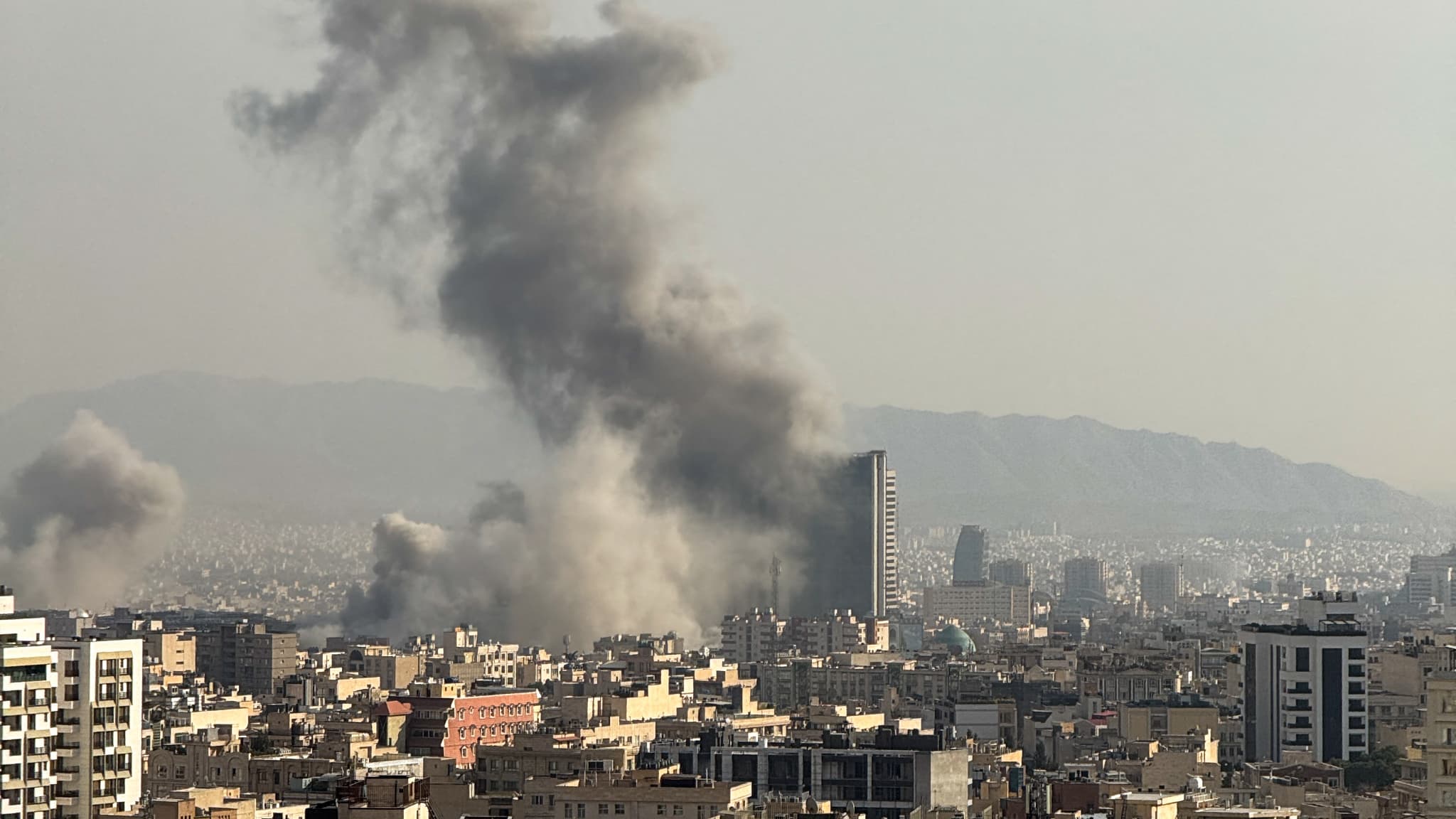
Middle East Unrest: Regional Attacks Escalate in Iran-Israel-US Conflict
The Middle East finds itself teetering on a precipice as a complex web of regional rivalries and long-standing tensions erupts into a series of alarming, direct attacks. What began as an underlying geopolitical struggle has rapidly transformed, with a significant escalation observed in confrontations involving Iran, Israel, and the United States. Recent days have seen a concerning uptick in military actions, pushing the region closer to a full-blown, direct conflict – a scenario many refer to as guerre iran direct, or direct Iran war.
From drone strikes on diplomatic facilities to Israeli bombardments, the arc of conflict is expanding, threatening to destabilize an already volatile region. The immediacy of these threats has prompted urgent warnings from global powers, notably the United States, as it grapples with protecting its assets and citizens amidst this dangerous surge in hostilities.
A Region on Edge: The Expanding Arc of Conflict
The latest wave of attacks paints a grim picture of a widening confrontation that extends far beyond traditional flashpoints. Reports on Tuesday confirmed a spate of new strikes across the Middle East, indicating a broadening geographical scope of the conflict.
- Israeli Bombardment in Lebanon: Israeli forces have intensified their operations, with significant bombardments reported in Lebanon. These actions are often framed as responses to attacks from Iran-backed groups like Hezbollah, but they invariably heighten the risk of a wider regional conflagration. The cross-border exchanges underscore the volatile nature of the Israeli-Lebanese frontier, a long-dormant front that has been reignited by the current regional instability.
- Drone Attack on US Embassy in Saudi Arabia: Perhaps one of the most significant developments was a drone attack targeting the US embassy in Riyadh, Saudi Arabia's capital. While details regarding casualties or precise damage remain under assessment, the very act of striking a diplomatic facility in a key US ally's capital signifies a bold and dangerous escalation. It suggests a willingness by actors, potentially supported by Iran, to directly challenge US interests in unexpected locations, further exacerbating the feeling of a potential guerre iran direct emerging from the shadows of proxy warfare.
These incidents are not isolated; they are symptomatic of a regional system under immense strain. The direct targeting of US diplomatic missions and the resurgence of cross-border hostilities in Lebanon signal a dangerous shift. Actors are increasingly bypassing proxies to engage in more overt displays of force, blurring the lines between indirect and direct confrontation and raising the stakes for all involved.
US Assets Under Fire: Diplomatic Facilities Targeted
The United States has found itself directly in the crosshairs, with its diplomatic missions becoming targets in this escalating conflict. These direct assaults on sovereign US territory, even if perpetrated by non-state actors, carry profound implications and underscore the gravity of the unfolding situation.
The most striking instance of this direct threat came with the drone attack on the US embassy in Kuwait. According to three diplomatic sources, the embassy building was directly hit and sustained damage from multiple drones. This wasn't an unforeseen event; the US embassy had previously issued warnings to the public about "a persistent threat of missiles and drone attacks over Kuwait." The actualization of such a warning, with a direct hit on the embassy, sent shockwaves through the diplomatic community and Washington.
Concurrently, the US embassy in Jordan also took extraordinary measures, temporarily evacuating its staff due to an unspecified threat. The seriousness of the situation was further highlighted when the French embassy in Jordan relayed an even more alarming assessment via its X account, warning of an "imminent attack on the US embassy according to its own estimates at 11 p.m. on March 2." Such explicit warnings of imminent danger and precautionary evacuations are highly unusual and reflect a profound level of concern about the safety of diplomatic personnel and the potential for a catastrophic incident.
These incidents collectively indicate a deliberate strategy by certain groups to directly challenge American presence and influence in the Middle East. For many, these are clear signs that the conflict is moving beyond indirect skirmishes, manifesting as a dangerous slide towards a guerre iran direct scenario where US assets and personnel are explicit targets. Read more about these specific attacks on diplomatic missions in our detailed article: Middle East War: US Embassies Struck by Drones Amid Israel-Iran Conflict.
Urgent Advisory: State Department's Call for Evacuation
The rapidly deteriorating security situation has compelled the US State Department to issue an urgent and widespread advisory, urging American citizens to evacuate more than a dozen Middle Eastern countries. This stern warning, delivered on Monday, March 2, on what was described as the third day of intensified conflict between Iran, Israel, and the United States, underscores the profound level of concern within Washington.
Assistant Secretary of State for Consular Affairs Mora Namdar conveyed the message via X, stating unequivocally: "Depart now via commercial channels due to serious security risks." This isn't a routine travel advisory; it's an urgent call for immediate departure, highlighting the perceived immediacy and severity of threats to American lives.
The breadth of the advisory is particularly telling, encompassing a wide swath of the Middle East, including:
- Bahrain
- Egypt
- Iran
- Iraq
- Jordan
- Kuwait
- Lebanon
- Oman
- Qatar
- Saudi Arabia
- Syria
- United Arab Emirates
- Yemen
- Israel
The inclusion of such a diverse list of nations, some of which are traditionally considered stable US allies, indicates that the threat environment is perceived as regionally pervasive and unpredictable. It signifies that the conflict has escalated to a point where even perceived safe havens are no longer guaranteed. For American citizens in these countries, the message is clear: the risk of becoming collateral damage, or even direct targets, is too high to ignore. This official directive is a powerful indicator of the escalating dangers and the potential for a rapid, unpredictable unraveling of regional security. You can find more comprehensive details on this advisory in our related article: US State Dept Urges Evacuation for Americans in Escalating Middle East Conflict.
Navigating the Escalation: Advice for Citizens and Regional Implications
The recent surge in regional attacks and the direct targeting of US diplomatic missions signal a critical turning point in the Middle East. The question of whether this marks a transition from proxy warfare to a more overt, guerre iran direct scenario is no longer academic but a stark reality for those on the ground and policymakers alike. The directness of these threats, particularly against US interests, suggests a calculated escalation by various actors aiming to reshape the regional power dynamics.
For American Citizens in the Region:
The State Department's advice is paramount. If you are in any of the listed countries, or even considering travel to the broader Middle East, prioritize safety:
- Heed Official Warnings: Follow all advisories from the US State Department and your local embassy or consulate. These are based on real-time intelligence and are designed to protect you.
- Depart if Possible: The recommendation to "depart now via commercial channels" is not to be taken lightly. If you have the means and opportunity, consider leaving the region.
- Maintain Situational Awareness: If departure is not immediately feasible, stay vigilant. Monitor local news, embassy security alerts, and social media for updates.
- Have an Emergency Plan: Know your closest safe havens, identify evacuation routes, and have essential documents (passport, visas) readily accessible. Keep a 'go bag' prepared.
- Communicate with Family: Keep loved ones informed of your status and whereabouts. Register with the Smart Traveler Enrollment Program (STEP) to receive alerts and help the embassy locate you in an emergency.
- Avoid Public Gatherings: Steer clear of protests, demonstrations, or large public gatherings, as these can quickly turn violent or become targets.
Regional and Global Implications:
The escalation points to a heightened risk of miscalculation and unintended consequences. The directness of attacks against the US could provoke a more forceful American response, potentially drawing Iran into a direct military confrontation. This shift could have profound effects on global energy markets, international trade routes, and diplomatic relations worldwide.
The ongoing conflict also strains regional alliances. Saudi Arabia, for instance, finds itself in a precarious position, caught between its strategic partnership with the US and the need to maintain regional stability in the face of Iranian-backed threats. The current trajectory makes diplomatic de-escalation increasingly challenging, as trust erodes and the appetite for negotiation diminishes with each new attack.
The Middle East is at a critical juncture. The escalation of regional attacks, the direct targeting of US diplomatic facilities, and the urgent evacuation advisories paint a picture of a region spiraling towards greater instability. What once simmered as proxy conflicts now bears the dangerous hallmarks of a potential guerre iran direct, involving major powers in increasingly overt confrontations. For citizens and governments alike, vigilance, caution, and a renewed commitment to de-escalation are paramount to navigate this perilous period and avert a wider, more devastating conflict.